The Story of Bramham Church
Discover the history of All Saints' Church, Bramham, a Norman church that has stood at the heart of Bramham village for nearly 900 years, surviving wars, the Reformation, and centuries of c
Sir Joe Pembroke OBE
3/14/20262 min read
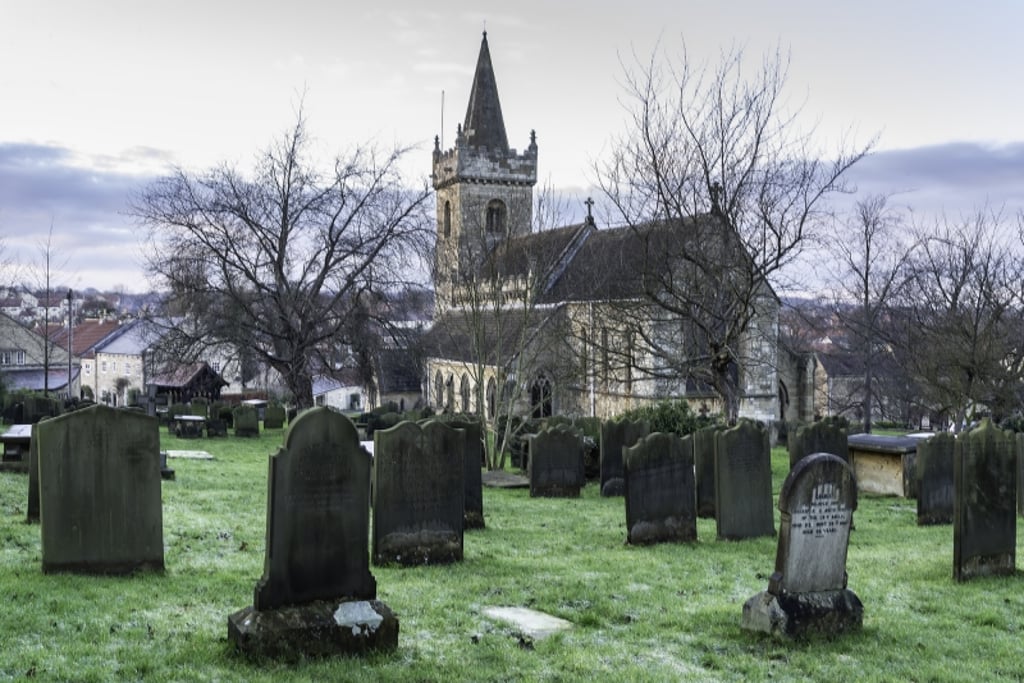
All Saints' Church, Bramham is one of the oldest and most important buildings in the village of Bramham. Located near Wetherby in West Yorkshire, the church has stood at the centre of village life for nearly 900 years. Although the present church was built around 1150 during the Norman period, historians believe that Christians may have worshipped on the site since Saxon times, possibly as early as 915 AD. The churchyard’s unusual oval shape is one reason why historians think the site is much older than the current building.
The church was built by the Normans using local magnesian limestone. Thick stone walls, medieval arches, and parts of the tower from this period still survive today. During the Middle Ages, the church became the heart of Bramham village life. People came to the church not only for worship, but also for baptisms, marriages, funerals, festivals, and important meetings. At a time when very few people could read or write, the church played an important role in bringing the community together.
During the medieval period, Bramham experienced important historical events. In 1408, the Battle of Bramham Moor took place nearby. Henry Percy, Earl of Northumberland, was killed during the battle, and the village would have seen soldiers and nobles travelling through the area. The church would have provided prayers and support to local families affected by the conflict.
In the 1500s, England changed dramatically during the reign of King Henry VIII. After separating from the Roman Catholic Church, Henry created the Church of England. As a result, All Saints’ Church changed from a Catholic church into an Anglican church. Many decorations, statues, and religious images were removed from the building during this period. Worship inside the church also became simpler than it had been during medieval times.
During the Victorian era in the 1800s, the church underwent important restoration work. Repairs were carried out on the roof, stonework, tower, and interior to preserve the ancient building. Like many churches across England, All Saints was carefully restored so future generations could continue to use and enjoy it.
The church also played an important role during both World Wars. Men from Bramham served in the armed forces, and memorials inside the church remember those who lost their lives. Throughout difficult times, the church remained a place of prayer, remembrance, and support for the local community.
Today, All Saints’ Church continues to serve Bramham village. Regular services, weddings, baptisms, funerals, and community events still take place there. The church is also recognised as a Grade II* listed building because of its historic and architectural importance. Nearly 900 years after it was first built, Bramham Church remains a symbol of the village’s history, community, and identity.