The Importance of Bramham Church to the Village
Explore how All Saints' Church, Bramham helped shape Bramham into the village it is today, influencing its community, history, growth, and identity for nearly 900 years.
Baroness Harrington
12/9/20252 min read
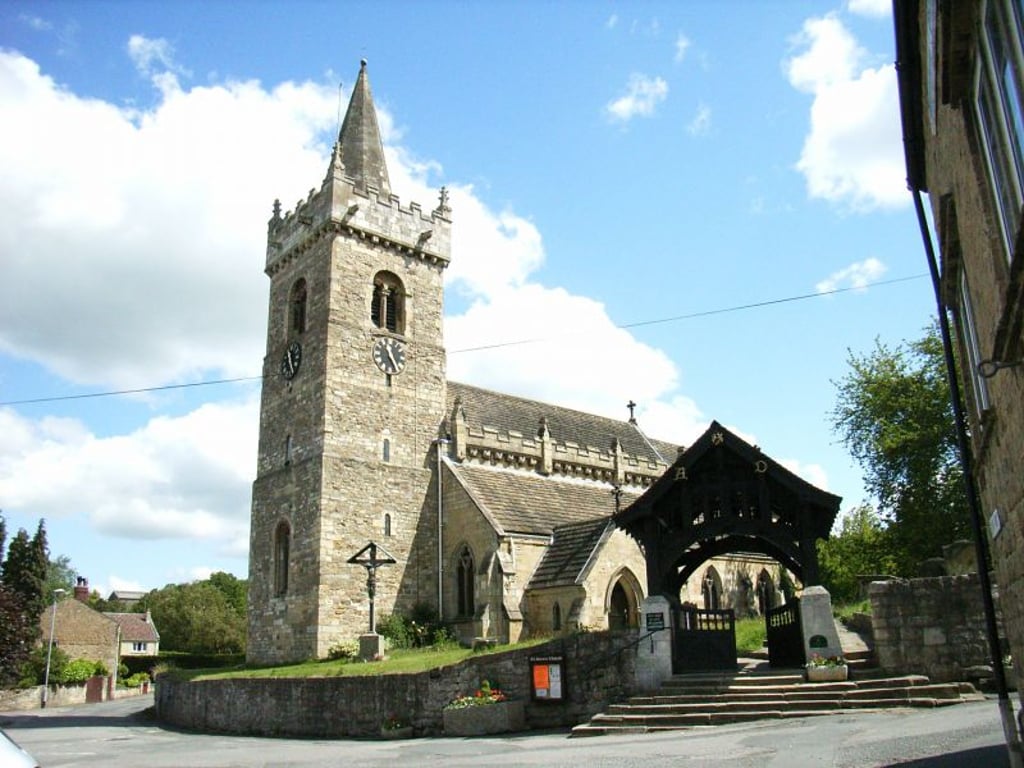
For centuries, All Saints' Church, Bramham has been one of the most important buildings in the village of Bramham. More than just a place of worship, the church has helped shape Bramham’s identity, community, and development as a settlement for nearly 900 years. From medieval times to the modern day, the church has remained at the centre of village life.
The church originally helped Bramham grow as a settlement because medieval villages were often built around churches. When the Norman church was constructed around 1150, it became the focal point of the community. People travelled to the church for baptisms, marriages, funerals, markets, festivals, and religious celebrations. As more people settled near the church, Bramham slowly expanded into a larger and more organised village.
Religion played a huge role in everyday medieval life, which made the church extremely important. At a time when few people could read or write, the church provided guidance, education, and structure for the community. Priests recorded important events such as births, marriages, and deaths, helping preserve the history of Bramham through written parish records.
The church also helped unite the community during difficult periods in history. During the Black Death in the 1300s, local people would have gathered at the church to pray and mourn family members who had died from the plague. During the English Civil War and both World Wars, the church became a place of remembrance and support. Memorials inside the church honour local soldiers and help preserve the memory of those who served.
Economically, the church helped attract visitors and activity to Bramham. Throughout history, travellers passing through the village on important coaching routes often stopped near the church. Local businesses, inns, and markets benefited from the movement of people through the settlement. The church also strengthened Bramham’s connection with nearby Bramham Park and wealthy landowning families who funded improvements and restorations.
Architecturally, All Saints’ Church is one of Bramham’s most recognisable landmarks. Its medieval tower and historic stonework give the village much of its traditional character. The church helps preserve Bramham’s historic identity and makes the settlement visually unique compared with many modern villages.
Today, the church continues to play an important role within the settlement. It still hosts services, weddings, baptisms, funerals, charity events, and community gatherings. Even for people who do not regularly attend church, the building remains an important symbol of local history and community spirit.
In conclusion, Bramham Church has shaped the settlement socially, historically, economically, and culturally for hundreds of years. Without the church, Bramham would likely have developed very differently. The church remains not only a religious building, but also the historic heart of the village itself.